When Fatty Liver Turns Dangerous: How Fat Triggers Inflammation
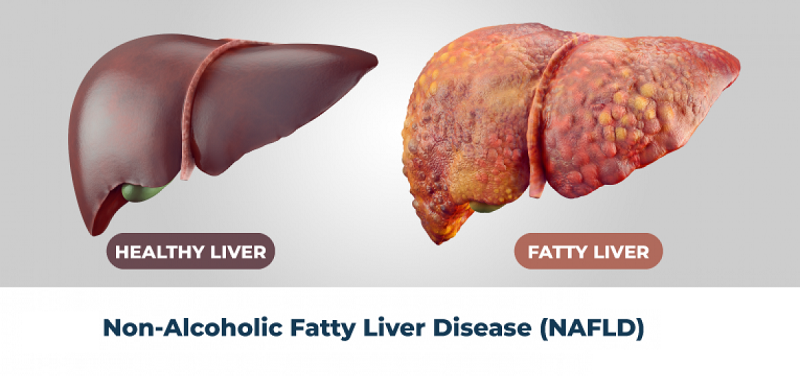
From Fatty Liver to Steatohepatitis (MASH/NASH): When Fat Triggers Cellular Inflammation
The Critical Transition Toward Progressive Liver Damage
Simple fatty liver (benign steatosis) is characterized by the passive accumulation of triglycerides within hepatocytes. However, in a significant percentage of individuals, this initial state ceases to be static. Under conditions of sustained metabolic stress, simple fat deposition evolves into an active inflammatory pathology historically known as NASH (Non-Alcoholic Steatohepatitis) and recently redefined under the clinical term MASH (Metabolic dysfunction-Associated SteatoHepatitis).
Steatohepatitis represents the critical tipping point where the liver begins experiencing direct cellular injury, hepatocyte death, and destructive immunological responses that pave the way toward advanced fibrosis.
The Chain of Events: How Fat Escalates into Severe Inflammation
1. Lipotoxicity and Mitochondrial Dysfunction
A massive surplus of free fatty acids inside the hepatocyte overwhelms the safe storage capacity of neutral triglycerides. This results in the accumulation of toxic lipid metabolites (such as ceramides and lysophosphatidylcholine) that induce lipotoxicity. Cellular mitochondria, subjected to an overwhelming beta-oxidation workload, suffer structural damage, experience a drop in energy efficiency, and release large quantities of reactive oxygen species (ROS), driving chronic oxidative stress.
2. Activation of Lipid Peroxidation and Membrane Damage
Oxidative stress overwhelms cellular antioxidant defense systems and triggers the lipid peroxidation of organelle and hepatocyte membranes. This destructive process compromises cellular integrity, generating toxic degradation products (such as malondialdehyde and 4-hydroxynonenal) that alter structural proteins and disrupt normal cellular functioning.
3. Programmed Cell Death and Damage-Associated Molecular Patterns (DAMPs)
Faced with irreversible oxidative injury and lipotoxicity, hepatocytes undergo cell death pathways, predominantly apoptosis and lipotoxic necrosis. Upon disintegration, these cells release intracellular molecules known as DAMPs (Danger-Associated Molecular Patterns) into the interstitial space. These molecules act as an internal biochemical alarm alerting the immune system to tissue injury.
4. Immune Recruitment and Hepatic Stellate Cell Activation
Released damage signals activate Kupffer cells (resident liver macrophages), which initiate an inflammatory cascade by releasing cytokines such as tumor necrosis factor-alpha (TNF-alpha), interleukin-6 (IL-6), and transforming growth factor-beta (TGF-beta). This inflammatory storm recruits white blood cells into the liver tissue and irreversibly activates hepatic stellate cells, transforming them into collagen-producing myofibroblasts and launching the dangerous phase of tissue scarring and hepatic fibrosis.
Practical Steps to Halt the Progression of Steatohepatitis
- Adopt a Controlled, Gradual Caloric Deficit: Progressive weight loss (7% to 10% of total body weight) remains the most clinically proven intervention to reduce intrahepatic inflammation and steatosis in MASH.
- Incorporate Dietary Antioxidants: Prioritize dark leafy greens, berries, and foods rich in natural vitamin E (such as sunflower seeds and raw almonds) to help neutralize hepatic oxidative stress.
- Strictly Eliminate Alcohol Consumption: Even moderate amounts of alcohol in a liver already burdened by steatosis and oxidative stress act as a synergistic accelerator of cell death and fibrogenesis.
Scientific Sources and References Consulted
- PubMed / National Institutes of Health (NIH): From NAFLD to MASH: Molecular Mechanisms of Lipotoxicity, Oxidative Stress, and Inflammation. https://pubmed.ncbi.nlm.nih.gov/
- Nature Reviews Gastroenterology & Hepatology: Pathogenesis of Metabolic Dysfunction-Associated Steatohepatitis (MASH): Beyond Steatosis. https://www.nature.com/nrgastro/
- The Lancet Gastroenterology & Hepatology: Natural History, Clinical Outcomes, and Therapeutic Targets in MASH. https://www.thelancet.com/journals/langas/home
Medical Disclaimer
This article is strictly for educational and informational purposes. It does not constitute medical advice, diagnosis, or treatment. Steatohepatitis (MASH) is a serious medical condition that requires specialized physician oversight and formal diagnostic assessments, such as elastography or specialized blood biomarkers.
Español
De hígado graso a esteatohepatitis (MASH/NASH): Cuando la grasa genera inflamación celular
La transición crítica hacia el daño hepático progresivo
El hígado graso simple (esteatosis benigna) se caracteriza por la acumulación pasiva de triglicéridos en el interior de los hepatocitos. Sin embargo, en un porcentaje significativo de personas, este estado inicial deja de ser estático. Bajo condiciones de estrés metabólico continuado, la simple presencia de grasa evoluciona hacia una patología inflamatoria activa conocida antiguamente como NASH (Esteatohepatitis No Alcohólica) y actualmente rediseñada bajo el término clínico MASH (Metabolic dysfunction-Associated SteatoHepatitis).
La esteatohepatitis representa el punto de quiebre donde el hígado comienza a sufrir daño celular directo, muerte de hepatocitos y activación de respuestas inmunológicas destructivas que pavimentan el camino hacia la fibrosis avanzada.
La cadena de consecuencias: ¿Cómo se transforma la grasa en inflamación severa?
1. Lipotoxicidad y disfunción mitocondrial
El exceso masivo de ácidos grasos libres dentro del hepatocito sobrepasa la capacidad de almacenamiento seguro en forma de triglicéridos neutros. Esto genera acumulación de metabolitos lipídicos tóxicos (como ceramidas y lisofosfatidilcolina) que inducen lipotoxicidad. Las mitocondrias celulares, sometidas a una sobrecarga de oxidación beta, sufren daños estructurales masivos, reduciendo su eficiencia energética y liberando grandes cantidades de especies reactivas de oxígeno (ROS), lo que genera un estado de estrés oxidativo crónico.
2. Activación de la peroxidación lipídica y daño de membranas
El estrés oxidativo desborda los sistemas antioxidantes celulares y desencadena la peroxidación de los lípidos que componen las membranas de los orgánulos y de los propios hepatocitos. Este proceso destruye la integridad de la membrana celular, provocando la formación de productos de degradación tóxicos (como el malondialdehído y el 4-hidroxinonenal) que alteran las proteínas estructurales e interfieren con la función celular normal.
3. Muerte celular programada y liberación de señales de daño (DAMPs)
Ante el daño oxidativo irreversible y la lipotoxicidad, los hepatocitos sufren procesos de muerte celular, principalmente apoptosis y necrosis lipotóxica. Al desintegrarse, estas células liberan al espacio intersticial moléculas intracelulares conocidas como DAMPs (Pathogen-Associated and Danger-Associated Molecular Patterns), las cuales actúan como una alarma bioquímica interna que avisa al sistema inmune de la presencia de daño tisular masivo.
4. Reclutamiento inmunológico y activación de células estrelladas
Las señales de daño liberadas activan a las células de Kupffer (los macrófagos residentes del hígado), las cuales inician una cascada inflamatoria liberando citocinas como el TNF-alfa, la interleucina-6 (IL-6) y el factor de crecimiento transformante beta (TGF-beta). Esta tormenta inflamatoria recluta glóbulos blancos hacia el tejido hepático y activa de forma irreversible a las células estrelladas hepáticas, las cuales se transforman en miofibroblastos productores de colágeno, iniciando la peligrosa fase de cicatrización y fibrosis hepática.
Pasos prácticos para frenar la progresión de la esteatohepatitis
- Adopta un déficit calórico controlado y gradual: La pérdida de peso progresiva (un 7% a 10% del peso corporal total) es la intervención clínica más efectiva demostrada para reducir la inflamación y la esteatosis en el MASH.
- Incorpora antioxidantes potentes a través de la dieta: Prioriza vegetales de hoja verde, frutos rojos y alimentos ricos en vitamina E natural (como semillas de girasol y almendras) para contrarrestar el estrés oxidativo hepático.
- Suprime el consumo de alcohol: Incluso cantidades moderadas de alcohol en un hígado con esteatosis y estrés oxidativo actúan como un acelerador sinérgico de la muerte celular y la fibrosis.
Fuentes y Referencias Científicas Consultadas
- PubMed / National Institutes of Health (NIH): From NAFLD to MASH: Molecular Mechanisms of Lipotoxicity, Oxidative Stress, and Inflammation. https://pubmed.ncbi.nlm.nih.gov/
- Nature Reviews Gastroenterology & Hepatology: Pathogenesis of Metabolic Dysfunction-Associated Steatohepatitis (MASH): Beyond Steatosis. https://www.nature.com/nrgastro/
- The Lancet Gastroenterology & Hepatology: Natural History, Clinical Outcomes, and Therapeutic Targets in MASH. https://www.thelancet.com/journals/langas/home
Descargo de responsabilidad médica (Medical Disclaimer)
Este artículo es de carácter puramente educativo e informativo. No pretende diagnosticar, tratar ni sustituir la consulta con un médico especialista en hepatología o gastroenterología. La esteatohepatitis (MASH) es una condición clínica seria que requiere seguimiento médico especializado y pruebas diagnósticas formales (como elastografía o biomarcadores).
Deja una respuesta