How Stress Triggers Bloating and Slow Digestion
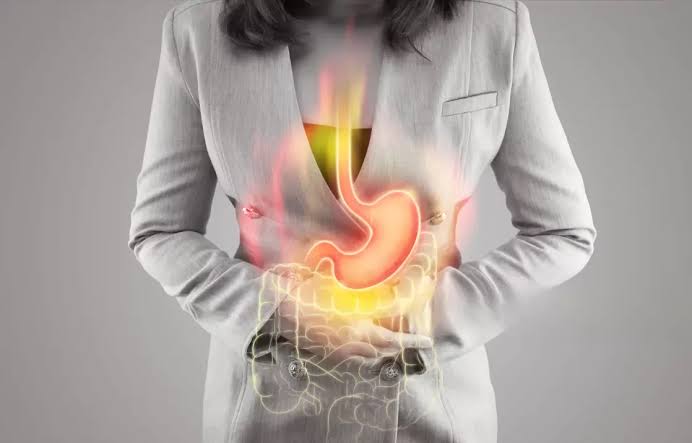
Abdominal Bloating and Slow Digestion: The Impact of Stress on the Digestive Tract
A Silent Neurodigestive Disruption
Abdominal bloating and sluggish digestion are almost exclusively attributed to the quality of the food we eat. However, modern physiology demonstrates that the state of the central nervous system is an equally decisive factor in the speed and efficiency of the digestive process.
The gastrointestinal tract and the brain engage in continuous dialogue via the gut-brain axis. When the body perceives sustained psychological or physical stress, digestion is deprioritized in favor of survival mechanisms, leading to food stagnation, abnormal fermentation, and abdominal inflammation.
The Chain of Events: How Stress Disrupts the Digestive Process
1. Parasympathetic Inhibition and Reduced Splanchnic Blood Flow
For optimal digestion to occur, the parasympathetic nervous system (the "rest and digest" branch) must be dominant. Chronic stress triggers sympathetic dominance, releasing elevated levels of cortisol and adrenaline. This fight-or-flight response shunts blood away from visceral organs toward skeletal muscles and the heart. Reduced splanchnic circulation deprives the digestive mucosa of the oxygen and nutrients required to synthesize digestive enzymes and sustain motility.
2. Impairment of the Migrating Motor Complex (MMC)
The Migrating Motor Complex is an electromechanical cleaning wave that sweeps through the stomach and small intestine during fasting periods between meals, clearing food debris and excess bacteria into the colon. High stress levels suppress the electrical phases of the MMC. When this automated sweeping process stalls, food resides in the small intestine longer than intended, promoting bacterial over-fermentation, gas accumulation, and abdominal distension.
3. Suppression of Hydrochloric Acid and Enzyme Secretion
Excessive cortisol output dampens vagal stimulation of the parietal cells in the stomach, suppressing hydrochloric acid (HCl) production and pancreatic enzyme release. Without adequate gastric acid, dietary proteins are improperly denatured, and chyme enters the small intestine inadequately pretreated. This delays gastric emptying, causing prolonged heaviness and disrupting the optimal pH required to neutralize ingested pathogens.
4. Increased Intestinal Permeability and Local Inflammation
Stress hormones trigger the release of corticotropin-releasing hormone (CRH) within the gut mucosa, activating local mast cells to discharge histamine and pro-inflammatory cytokines. This localized cascade destabilizes the tight junction proteins linking epithelial cells, allowing unwanted substances to permeate the barrier, overstimulate the mucosal immune system, and perpetuate a hypersensitive, bloated abdomen.
Practical Steps to Modulate Stress and Support Digestion
- Practice Diaphragmatic Breathing Before Meals: Engage in 3 to 5 minutes of deep breathing (inhaling for 4 seconds, exhaling for 6 seconds) prior to eating to stimulate the vagus nerve and transition into a parasympathetic state.
- Chew Food Thoroughly and Deliberately: Mechanical mastication reduces the enzymatic workload on a stress-compromised stomach and sends anticipatory digestive signals to the brain.
- Eliminate Screen Distractions While Eating: Avoid consuming meals while working, reading news, or answering stressful emails, as processing perceived threats causes the brain to halt gastric motility.
Scientific Sources and References Consulted
- PubMed / National Institutes of Health (NIH): Stress and the Gastrointestinal Tract: Brain-Gut Interactions in Digestive Disorders. https://pubmed.ncbi.nlm.nih.gov/
- Gastroenterology Research and Practice: The Impact of Stress on Intestinal Permeability and Motility. https://www.hindawi.com/journals/grp/
- Nature Reviews Gastroenterology & Hepatology: The Autonomic Nervous System and Gastrointestinal Function in Health and Disease. https://www.nature.com/nrgastro/
Medical Disclaimer
This article is strictly for educational and informational purposes. It does not constitute medical advice, diagnosis, or treatment. Individuals experiencing persistent abdominal distension accompanied by severe pain, unexplained weight loss, or gastrointestinal bleeding should seek immediate medical evaluation.
Español
Inflamación de vientre y digestión lenta: El impacto del estrés en el tracto digestivo
Una disrupción neurodigestiva silenciosa
La hinchazón abdominal y la digestión pesada se atribuyen casi siempre de forma exclusiva a la calidad de los alimentos ingeridos. Sin embargo, la fisiología moderna demuestra que el estado del sistema nervioso central es un factor igualmente determinante en la velocidad y eficiencia del proceso digestivo.
El tubo digestivo y el cerebro mantienen un diálogo ininterrumpido a través del eje intestino-cerebro. Cuando el organismo percibe un estado de estrés psicológico o físico continuado, la digestión se posterga en favor de mecanismos de supervivencia, desencadenando estancamiento de alimentos, fermentación anómala e inflamación abdominal.
La cadena de consecuencias: ¿Cómo altera el estrés el proceso digestivo?
1. Inhibición del sistema parasimpático y reducción del flujo sanguíneo
Para que la digestión ocurra de forma óptima, el sistema nervioso parasimpático (la rama de "descanso y digestión") debe estar activo. El estrés crónico activa de manera dominante la rama simpática, liberando cortisol y adrenalina. Esta respuesta redirige el flujo sanguíneo desde los órganos viscerales hacia los músculos esqueléticos y el corazón. La microcirculación intestinal disminuye drásticamente, privando a la mucosa digestiva del oxígeno y nutrientes necesarios para producir enzimas y mantener la motilidad.
2. Alteración del Complejo Motor Migratorio (CMM)
El Complejo Motor Migratorio es una onda electromecánica de limpieza que recorre el estómago y el intestino delgado durante los periodos de ayuno entre comidas, barriendo residuos alimenticios y bacterias hacia el colon. El estrés elevado suprime las fases eléctricas del CMM. Al detenerse este "barrido" automático, los alimentos permanecen estancados en el intestino por más tiempo del debido, favoreciendo la sobrefermentación bacteriana, la acumulación de gases y la distensión abdominal.
3. Reducción de la producción de ácido clorhídrico y enzimas digestivas
La sobreactivación del cortisol disminuye la estimulación vagal sobre las células parietales del estómago, reduciendo la secreción de ácido clorhídrico (HCl) y la liberación de enzimas pancreáticas. Con niveles insuficientes de ácido, las proteínas no se desnaturalizan adecuadamente y el quimo llega mal preparado al intestino delgado. Esto retrasa el vaciado gástrico, genera pesadez prolongada y altera el pH óptimo necesario para inactivar patógenos ingeridos.
4. Aumento de la permeabilidad intestinal e inflamación local
Las hormonas del estrés estimulan la liberación de corticotropina (CRH) en la mucosa intestinal, lo que activa a los mastocitos locales para liberar histamina y citocinas proinflamatorias. Este proceso altera las proteínas de unión estrecha (tight junctions) entre las células del epitelio, permitiendo la translocación de sustancias no deseadas que sobreestimulan el sistema inmune local y perpetúan la sensación de vientre inflamado y sensible.
Pasos prácticos para modular el estrés y activar la digestión
- Aplica la respiración diafragmática antes de comer: Realiza entre 3 y 5 minutos de respiraciones profundas (inhalando en 4 segundos y exhalando en 6) antes de probar el primer bocado para activar el nervio vago y pasar a modo parasimpático.
- Mastica de forma consciente y pausada: La masticación mecánica reduce el trabajo enzimático del estómago enfriado por el estrés y envía señales anticipatorias de secreción digestiva al cerebro.
- Establece espacios sin pantallas durante las comidas: Evita comer mientras trabajas, miras noticias o respondes mensajes estresantes, ya que el cerebro procesa la información amenazante deteniendo la motilidad gástrica.
Fuentes y Referencias Científicas Consultadas
- PubMed / National Institutes of Health (NIH): Stress and the Gastrointestinal Tract: Brain-Gut Interactions in Digestive Disorders. https://pubmed.ncbi.nlm.nih.gov/
- Gastroenterology Research and Practice: The Impact of Stress on Intestinal Permeability and Motility. https://www.hindawi.com/journals/grp/
- Nature Reviews Gastroenterology & Hepatology: The Autonomic Nervous System and Gastrointestinal Function in Health and Disease. https://www.nature.com/nrgastro/
Descargo de responsabilidad médica (Medical Disclaimer)Este artículo es de carácter puramente educativo e informativo. No pretende diagnosticar, tratar ni sustituir la consulta con un médico gastroenterólogo o especialista. Si la inflamación abdominal se acompaña de dolor agudo, pérdida de peso no explicada o sangrado, busca atención médica de inmediato.
Deja una respuesta